Differences Between Applied Structural Drying and Traditional Methods
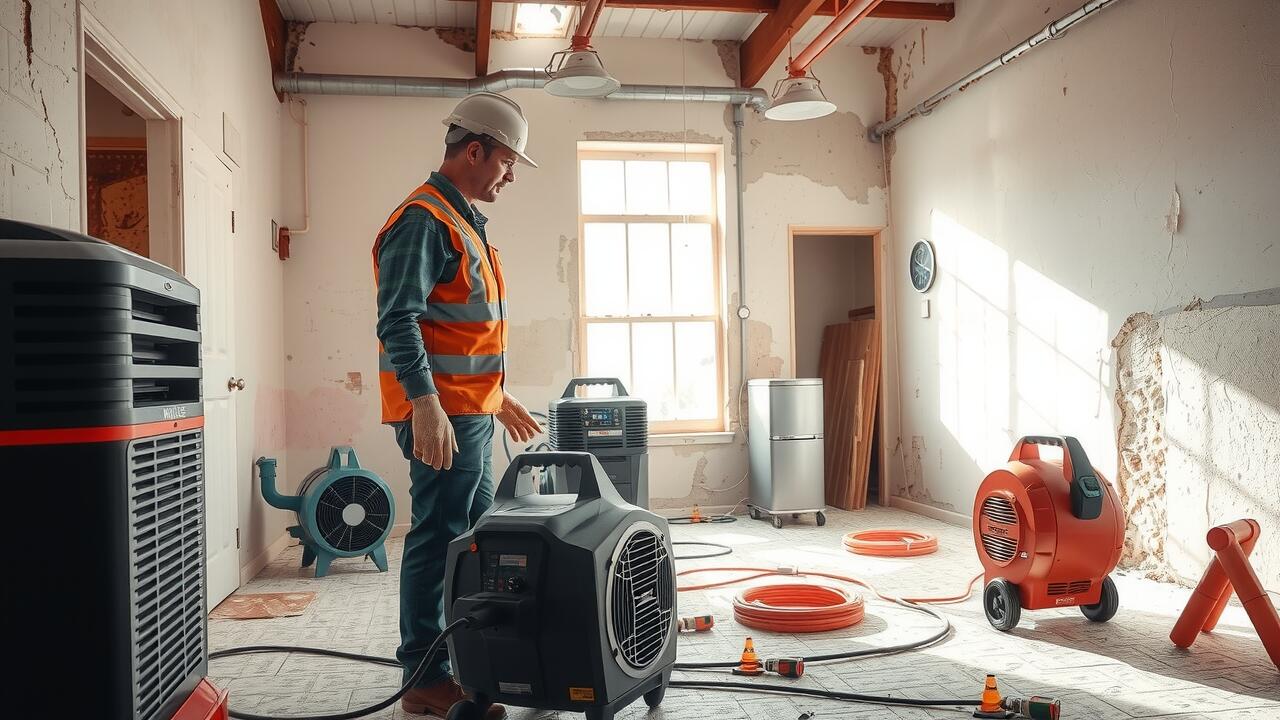
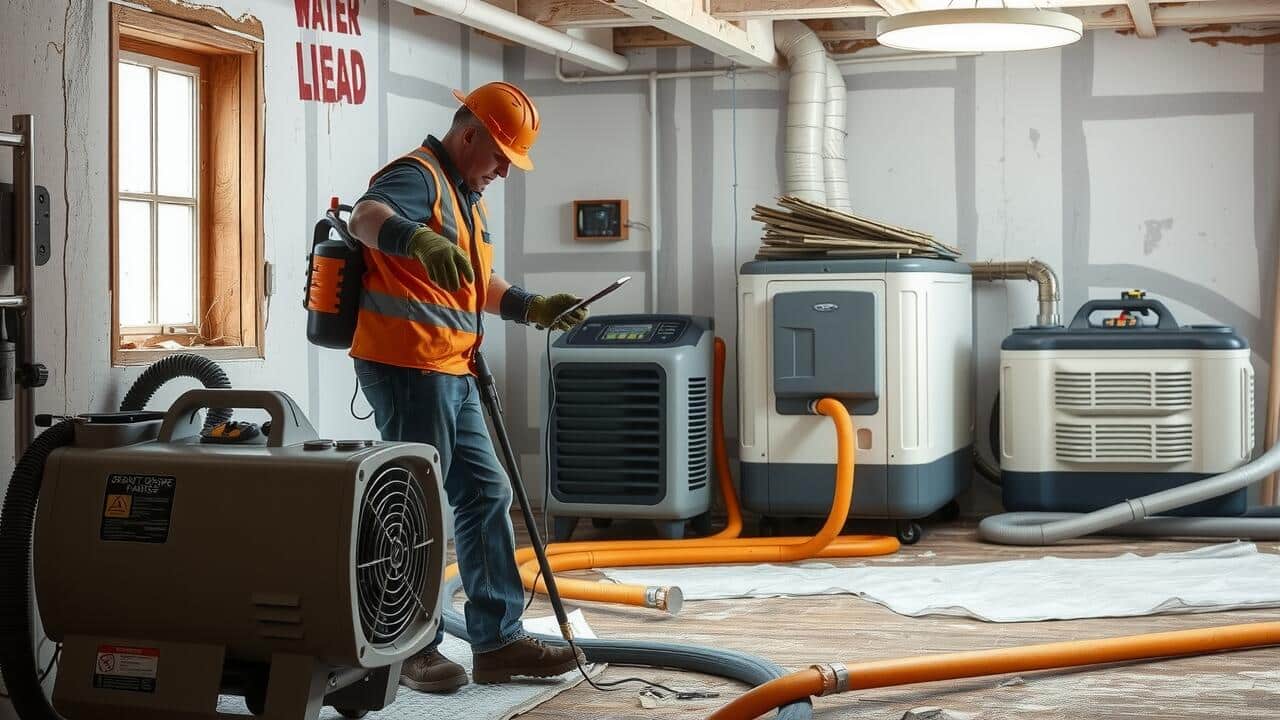
Applied Structural Drying focuses on efficient and effective removal of moisture from structures using advanced technology and techniques. This modern approach emphasizes controlled drying processes that aim to minimize damage and restoration time. Unlike traditional methods, which often rely on passive airflow and natural evaporation, Structural Drying leverages specialized equipment such as dehumidifiers, fans, and thermal imaging to monitor and accelerate the drying process.
Traditional drying methods typically involve slower, less focused techniques that can lead to prolonged exposure of materials to moisture. This can increase the risk of mold growth and structural damage significantly. In contrast, Applied Structural Drying addresses these concerns directly, facilitating quicker restoration and reducing the overall impact of water damage. By employing a combination of tools and professional expertise, this modern method ensures a thorough and reliable drying outcome.
Advantages of Modern Drying Techniques
Modern drying techniques, particularly Structural Drying, leverage advanced equipment and methods to accelerate the drying process. High-velocity air movers and dehumidifiers work in tandem to optimize airflow and moisture removal, significantly reducing drying times compared to traditional methods. This efficiency minimizes the risk of secondary damage caused by prolonged moisture exposure, such as mold growth or material deterioration.
Additionally, Structural Drying employs a systematic approach that allows for targeted drying of specific areas affected by water intrusion. This precision not only enhances overall effectiveness but also reduces the need for destructive measures like removing drywall or flooring. Utilizing specialized tools, professionals can monitor moisture levels in real-time, ensuring that every affected structure is appropriately restored to its original condition without unnecessary disruption.
Role of Professionals in Applied Structural Drying
In applied structural drying, professionals play a crucial role in ensuring the effectiveness of the drying process. Their expertise allows them to assess the extent of water damage, identify affected materials, and determine the appropriate techniques for drying. Trained specialists utilize advanced tools and equipment to monitor moisture levels and airflow, allowing for a thorough and efficient drying strategy. This knowledge prevents potential long-term damage caused by residual moisture and helps maintain the structural integrity of the affected area.
The involvement of professionals is essential to overcoming the challenges associated with structural drying. Each situation presents unique factors that can complicate the drying process, such as the type of materials involved, environmental conditions, and the duration of exposure to water. Professionals are equipped to navigate these complexities, employing best practices to achieve optimal results. Their ability to apply proper drying techniques significantly reduces the risk of mold growth and other related issues, making their expertise indispensable in water damage restoration.
Why Expertise Matters in Restoration
Expertise plays a crucial role in the restoration process, particularly when it comes to structural drying. Professionals who specialize in this field possess a deep understanding of the materials and techniques required to effectively remove moisture from buildings. They are trained to identify the different types of water damage and to assess the specific needs of each situation. This knowledge allows them to create tailored plans that maximize efficiency and effectiveness during the drying process.
Having skilled professionals manage restoration projects can significantly reduce the risk of secondary issues, such as mold growth or structural compromise. Their familiarity with advanced drying equipment and technology ensures that all areas, including hard-to-reach spaces, receive adequate attention. This meticulous approach not only accelerates the drying process but also helps maintain the integrity of the affected structures, ultimately leading to a more successful restoration outcome.
Challenges in Applied Structural Drying
Challenges in applied structural drying often arise from the complexity of moisture dynamics within various materials. Different building components, such as wood and concrete, absorb water at varying rates. This inconsistency complicates the drying process, requiring careful monitoring to ensure uniform moisture removal. Furthermore, the hidden areas within structures, such as behind walls or under flooring, may retain moisture unnoticed, leading to potential long-term issues like mold growth or structural damage.
Environmental factors also play a significant role in the challenges faced during structural drying. High humidity levels can hinder the efficiency of drying equipment, slowing down the overall process. Moreover, temperature fluctuations can impact how quickly materials release moisture. These variables require professionals to adapt their strategies continuously, using a combination of advanced technology and expertise to achieve effective results in structural drying projects.
Factors That Can Complicate the Drying Process
Several factors can complicate the Structural Drying process, including the type of materials affected by water damage. Porous materials, such as drywall and wood, can absorb moisture rapidly, making it difficult to remove water effectively. The presence of insulation can trap moisture, leading to potential mold growth if not addressed promptly. Furthermore, the extent of the water damage can vary widely based on the source and duration of exposure, which can significantly influence the overall drying strategy.
Environmental conditions also play a critical role in the effectiveness of Structural Drying efforts. High humidity levels can slow down the evaporation process, creating challenges in achieving optimal dryness. Temperature fluctuations can further complicate drying timelines, as cooler temperatures may hinder moisture evaporation from surfaces. Additionally, confined spaces with limited airflow present unique challenges, requiring specialized equipment to ensure all areas reach adequate dryness to prevent secondary damage.
FAQS
What is applied structural drying?
Applied structural drying is a specialized method used to remove moisture from structures, such as buildings and materials, following water damage incidents. It utilizes advanced techniques and equipment to expedite the drying process and minimize damage.
How does applied structural drying differ from traditional drying methods?
Unlike traditional drying methods that may rely on natural airflow and heat, applied structural drying employs high-velocity air movers, dehumidifiers, and moisture sensing tools to achieve faster and more efficient drying results.
What are the advantages of using modern drying techniques in applied structural drying?
Modern drying techniques offer several advantages, including reduced drying time, minimized risk of mold growth, improved overall restoration quality, and more accurate moisture detection, leading to more effective and efficient drying processes.
Why is professional involvement important in applied structural drying?
Professionals play a crucial role in applied structural drying as they possess the expertise and specialized equipment necessary to assess the extent of water damage, implement effective drying strategies, and ensure that the restoration meets industry standards.
What challenges can arise during the applied structural drying process?
Challenges during applied structural drying can include varying levels of material saturation, hidden moisture pockets, and environmental factors such as temperature and humidity. These factors can complicate the drying process and may require additional measures to achieve optimal results.