Preventive Measures for Future Moisture Issues
To prevent future moisture issues in hardwood floors, it’s essential to address possible sources of humidity in your home. Investing in a dehumidifier can effectively reduce moisture levels, especially in basements or regions prone to high humidity. Sealing all windows and doors can prevent outside moisture from entering your living space. Regularly checking plumbing for leaks will also help you identify problems before they cause significant damage.
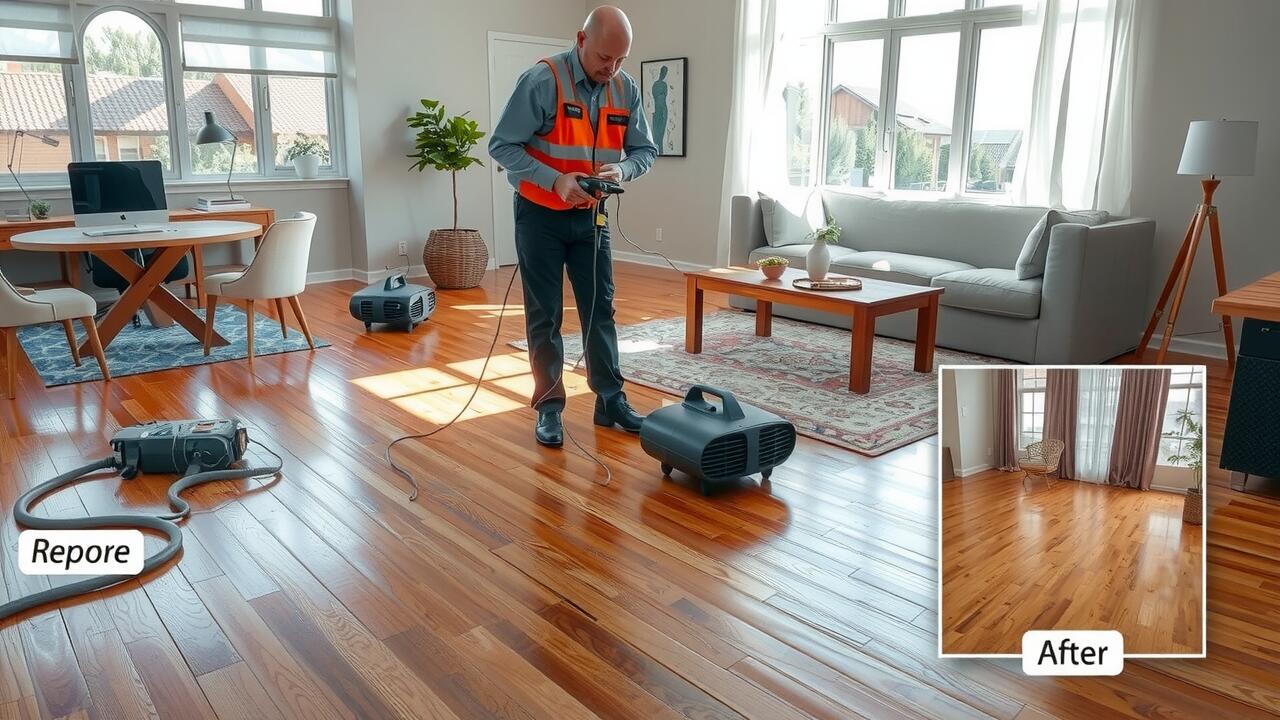
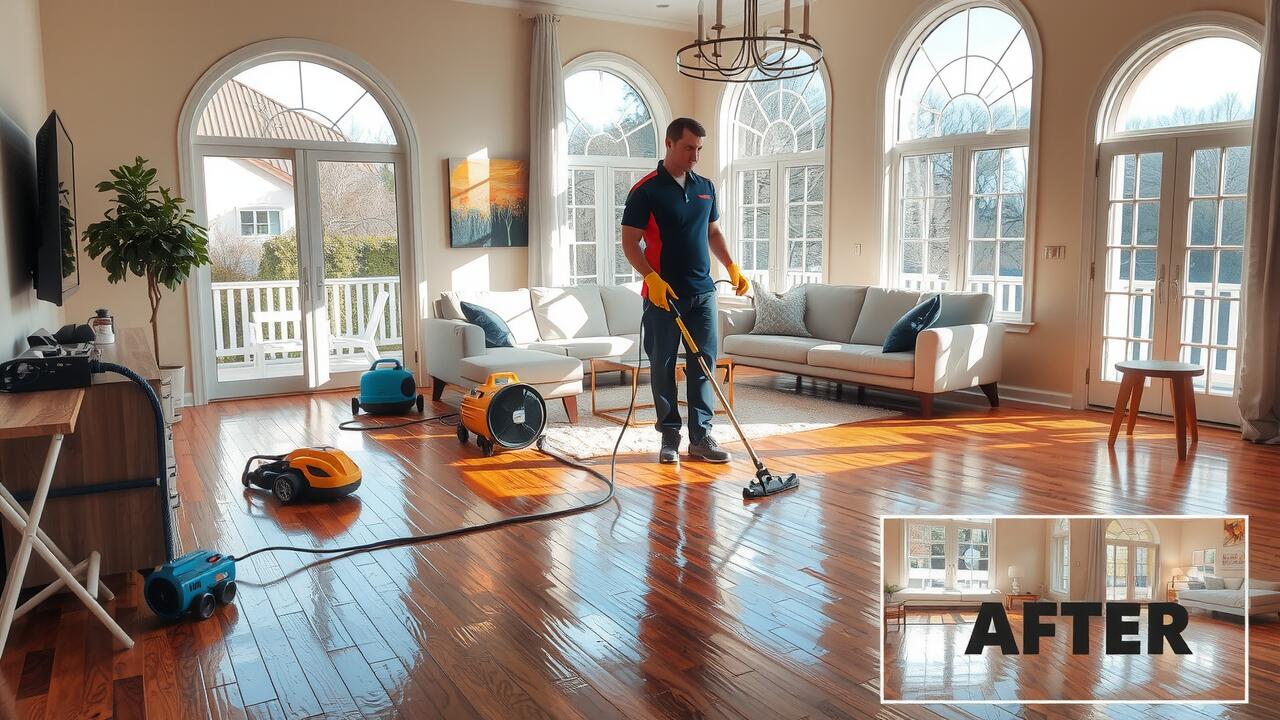
Hardwood floor drying is another important measure in maintaining the integrity of your floors. After heavy cleaning or spills, ensure that any moisture is promptly removed. Use dry cloths or mops to absorb excess water rather than letting it seep into the floorboards. Creating a routine that includes monitoring humidity levels and drying any spills will go a long way in preserving the quality of hardwood floors and preventing future moisture accumulation.
Maintaining Optimal Humidity Levels
Maintaining optimal humidity levels is crucial for the health of hardwood floors. Wood is a natural material that can absorb moisture from the environment. When humidity levels are too high, the wood may swell or warp, leading to potential damage. Using a humidifier in dry seasons can help keep moisture balanced, while dehumidifiers can reduce excess humidity during damp periods. Regularly checking humidity levels with a hygrometer provides valuable insights into your home’s moisture balance.
Hardwood Floor Drying techniques can also aid in maintaining healthy conditions. When spills occur, prompt cleaning is essential to prevent excessive moisture from soaking into the wood. In addition, ensuring proper ventilation in areas like basements and bathrooms can help keep humidity at bay. By consistently monitoring and managing humidity levels, homeowners can preserve the beauty and integrity of hardwood floors, preventing future issues associated with moisture.
Choosing the Right Flooring Finish
Selecting the appropriate flooring finish is crucial for enhancing the resilience of hardwood floors against moisture. Various finishes come with different levels of protection. For instance, oil-based polyurethane offers a durable top coat that provides significant moisture resistance. Water-based options dry faster and emit fewer fumes while still guarding against spills and humidity.
Adequate flooring finish not only helps in preventing moisture accumulation but also contributes to hardwood floor drying faster after any cleaning or spills. A well-sealed surface minimizes the absorption of water, thus preserving the integrity of the wood. Regular maintenance of the finish will ensure long-lasting protection against moisture-related issues, keeping your hardwood floors in pristine condition.
Benefits of Moisture-Resistant Coatings
Moisture-resistant coatings provide an essential layer of protection for hardwood floors, helping to prevent water damage in the first place. These coatings create a barrier that inhibits moisture penetration, safeguarding the wood from swelling, warping, or cracking. Additionally, investing in these finishes can prolong the lifespan of your flooring, reducing the need for repairs caused by excessive moisture exposure. Hardwood Floor Drying becomes much easier when a moisture-resistant finish is applied, as the coating helps keep the wood stable and dry.
Incorporating moisture-resistant coatings also enhances the aesthetic appeal of hardwood floors. These finishes not only protect against moisture but also improve the overall shine and color of the wood, giving it a fresh and polished look. Regular applications of such coatings can further maintain this visual enhancement while ensuring the integrity of the flooring. Homeowners can enjoy peace of mind knowing their hardwood floors are well-protected against moisture-related issues, thereby making a sound investment in their property.
Regular Maintenance Practices
Regular maintenance practices are essential for preserving the integrity of hardwood floors. Regularly sweeping or vacuuming helps to remove dirt and debris that can scratch the surface. Using a damp mop with a suitable hardwood floor cleaner prevents excessive moisture accumulation while providing a thorough cleaning. Avoiding standing water is crucial, as any moisture left behind can seep into the wood and lead to warping or swelling.
In addition, incorporating hardwood floor drying techniques after spills or cleaning can protect against long-term damage. Employing fans or dehumidifiers in high-humidity environments aids in maintaining proper moisture levels. Ensuring that your flooring is kept dry not only preserves its appearance but also extends its lifespan. Regular inspections for signs of moisture-related issues play an integral role in maintaining hardwood floors effectively.
Cleaning and Care Tips
Regular cleaning and care are essential for maintaining the beauty and integrity of hardwood floors. Start by sweeping or vacuuming to remove dust and debris. This helps prevent scratches and ensures that the surface remains clean. For deeper cleaning, use a damp mop with a solution specifically designed for hardwood. Avoid excessive water, as it can seep into seams and cause moisture-related issues.
In addition to routine cleaning, consider implementing a hardwood floor drying regimen. After cleaning, ensure proper ventilation in the room to facilitate drying. Open windows or use fans to help moisture evaporate. Keeping an eye on humidity levels can also prevent the absorption of moisture, further protecting the flooring. Regular attention to these details will prolong the life of your hardwood and maintain its natural luster.
FAQS
What are the common causes of moisture accumulation in hardwood floors?
Common causes of moisture accumulation in hardwood floors include high humidity levels, leaks from plumbing or appliances, spills that are not promptly cleaned, and inadequate ventilation in areas where hardwood floors are installed.
How can I check if my hardwood floors are damp?
You can check if your hardwood floors are damp by performing a moisture test, either with a moisture meter specifically designed for wood or by placing a plastic sheet on the floor for 24 hours and checking for condensation.
What immediate steps can I take to remove moisture from my hardwood floors?
Immediate steps include using fans or dehumidifiers to increase air circulation and lower humidity, mopping up any spills promptly, and placing towels or absorbent materials on damp areas to soak up excess moisture.
How often should I perform maintenance on my hardwood floors to prevent moisture issues?
It’s recommended to perform regular maintenance at least once a month, including cleaning, checking for leaks, and ensuring that humidity levels are optimal to prevent moisture issues.
Can I use a steam cleaner on hardwood floors to remove moisture?
No, using a steam cleaner on hardwood floors is not advisable as the heat and moisture can damage the wood and lead to warping or other issues. Instead, opt for a damp mop and a suitable wood floor cleaner.