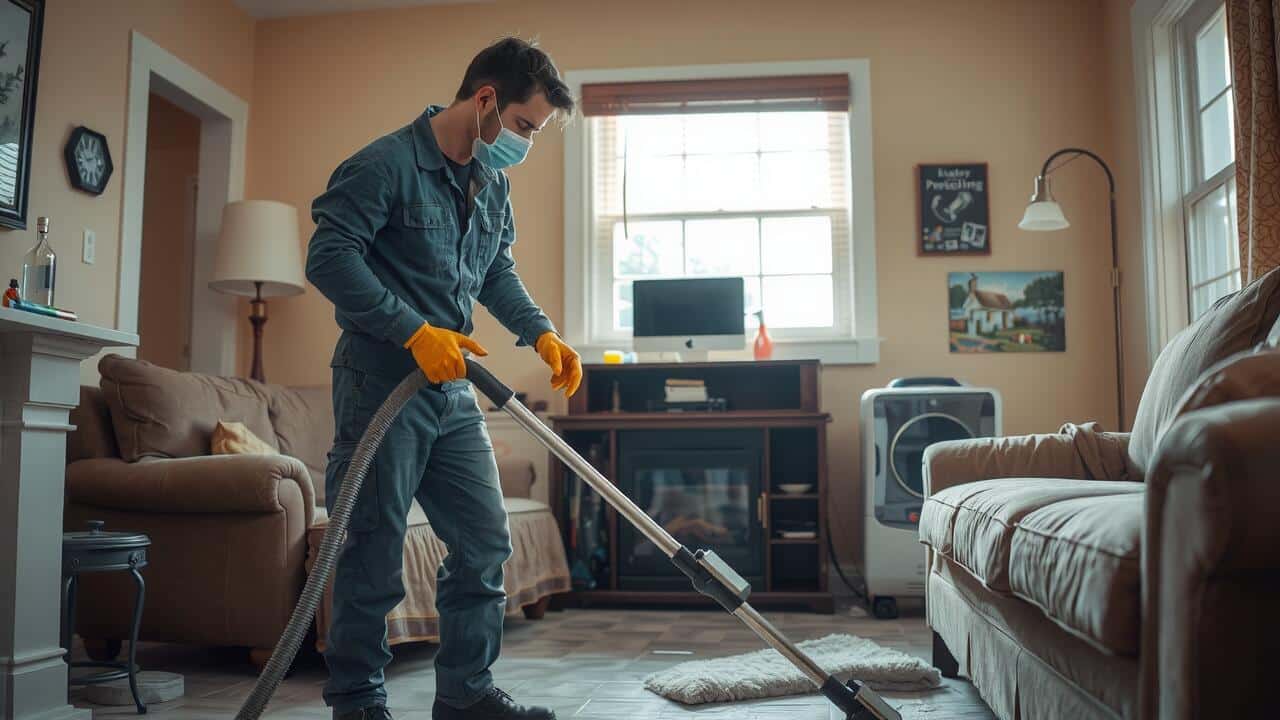
Cleaning and Sanitizing Surfaces
Cleaning and sanitizing surfaces after water damage is essential to restore your home and prevent further issues. Start by removing any standing water using pumps, wet vacuums, or other appropriate machinery. Once the bulk of the water is removed, focus on drying out materials. Open windows and use fans and dehumidifiers to promote airflow, which will help accelerate the drying process. Pay special attention to walls, floors, and any furniture that may have absorbed moisture.
After surfaces dry, it’s crucial to clean and sanitize them to eliminate potential health risks. Use a mixture of water and mild detergent to scrub surfaces, followed by a disinfectant solution to kill any remaining pathogens. Ensure you target areas that may harbor mold or bacteria, including hidden nooks and crannies. Water damage cleanup efforts will be incomplete without these steps, as they significantly reduce the risk of mold growth and other related problems in the aftermath of water exposure.
Recommended Cleaning Solutions
When faced with water damage, it is essential to choose the right cleaning solutions to ensure thorough restoration. Commercial cleaners designed specifically for water damage cleanup can be effective in removing contaminants and neutralizing odors. Look for products that contain mold inhibitors, as these can help prevent further issues. Vinegar and baking soda serve as natural alternatives, offering antibacterial properties without the harsh chemicals found in some commercial cleaners.
Always follow the manufacturer’s instructions when using cleaning solutions, as improper use can lead to additional problems. For surfaces affected by water damage, a mixture of warm water and dish soap works well for initial cleaning. Afterward, applying a solution of bleach and water can aid in disinfecting affected areas. Remember to wear protective gear, such as gloves and masks, to protect yourself from potential irritants during the water damage cleanup process.
Assessing and Repairing Structural Damage
When assessing structural damage after an incident, the first step is to look for visible signs such as warped walls, sagging ceilings, or buckling floors. These indicators often reveal a deeper problem that may require professional assessment. Additionally, check for discoloration on walls and ceilings that can signal moisture intrusion. It is essential to conduct a thorough inspection of both the interior and exterior of the property to ensure all affected areas are identified, as ignoring even minor damage can lead to more significant complications later. This step is crucial in the water damage cleanup process.
Once the damage has been assessed, repairs should be initiated as soon as possible to prevent further deterioration. In many cases, affected materials, such as drywall or insulation, may need to be removed and replaced. Engage with professionals who specialize in water damage cleanup for tasks that involve structural integrity. They possess the expertise to evaluate hidden damage, ensuring that repairs are comprehensive. Proper restoration not only improves safety but also helps to avoid costly repairs down the line by addressing issues before they escalate.
Signs of Water Damage in Structures
Identifying the signs of water damage in structures is crucial for initiating effective Water Damage Cleanup. Homeowners should look for discoloration on walls and ceilings, which often appears as yellow or brown stains. Peeling paint or wallpaper and sagging drywall can also indicate moisture issues. In addition, an unusual musty odor may suggest that water has infiltrated the building materials and is causing deterioration.
Another common sign is the presence of mold or mildew in areas that frequently remain damp. Warped or buckled floors can result from prolonged exposure to water. Homeowners should pay attention to rusting metal fixtures, such as hinges and pipes, which may signal water exposure. Early detection of these signs is essential to mitigate further damage and ensure a thorough Water Damage Cleanup process.
Preventing Mold Growth
Mold thrives in damp environments, often appearing within 24 to 48 hours after water damage occurs. After water damage cleanup, it’s vital to dry out affected areas as quickly as possible to minimize mold growth. Fans and dehumidifiers can be effective tools in removing excess moisture from the air and surfaces. Pay close attention to areas with high humidity, such as basements, bathrooms, and kitchens. Be proactive in monitoring these spaces to ensure that they remain dry and well-ventilated.
Maintaining indoor humidity levels below 60% can also deter mold growth. Regularly checking and repairing any leaks in pipes or roofs helps prevent water accumulation. Mold-resistant paints and treatments can be applied during repairs to further protect surfaces. Keeping gutters clean and directing water away from the foundation of a home contributes to a drier environment, reducing the risk of future mold outbreaks after water damage cleanup. Following these preventive measures ensures that your home remains safe and healthy.
Mold Prevention Tips
Mold thrives in damp environments, making prompt action crucial during water damage cleanup. Ensure that all affected areas are dried thoroughly. Utilize dehumidifiers to reduce moisture levels in the air and facilitate quick drying of surfaces. Keep ventilation systems in good working order, and consider using fans to improve air circulation. Regularly inspect and maintain these systems to prevent any potential moisture buildup.
Regular maintenance can significantly reduce the risk of mold growth. Check for leaks in roofs, pipes, and basements to address issues before they escalate. Keeping gutters clean and functional will also direct water away from the building’s foundation. Using mold-resistant products during renovations can provide added protection. Overall, being proactive and vigilant during water damage cleanup lays the foundation for a mold-free environment.
FAQS
What are the first steps to take after experiencing water damage?
The first steps include ensuring safety by turning off electricity and gas, removing excess water with a pump or towels, and starting to dry out the area using fans or dehumidifiers.
How can I effectively clean and sanitize surfaces affected by water damage?
You can effectively clean and sanitize surfaces by using a mixture of water and mild detergent or a specialized cleaning solution. Be sure to scrub surfaces thoroughly and rinse with clean water, allowing them to dry completely.
What are some common signs of structural damage after water exposure?
Common signs of structural damage include warped walls or floors, peeling paint, discoloration, and the presence of mold. If you notice these signs, it’s crucial to assess the extent of the damage and consider professional help.
Should I be concerned about mold growth after water damage?
Yes, mold can begin to grow within 24-48 hours after water exposure. It’s important to take preventive measures by drying out the affected areas promptly and maintaining low humidity levels.
What are some effective mold prevention tips?
Effective mold prevention tips include using dehumidifiers, ensuring proper ventilation in your home, repairing leaks promptly, and regularly checking for moisture in vulnerable areas such as basements and bathrooms.