Inspecting Basements and Crawlspaces
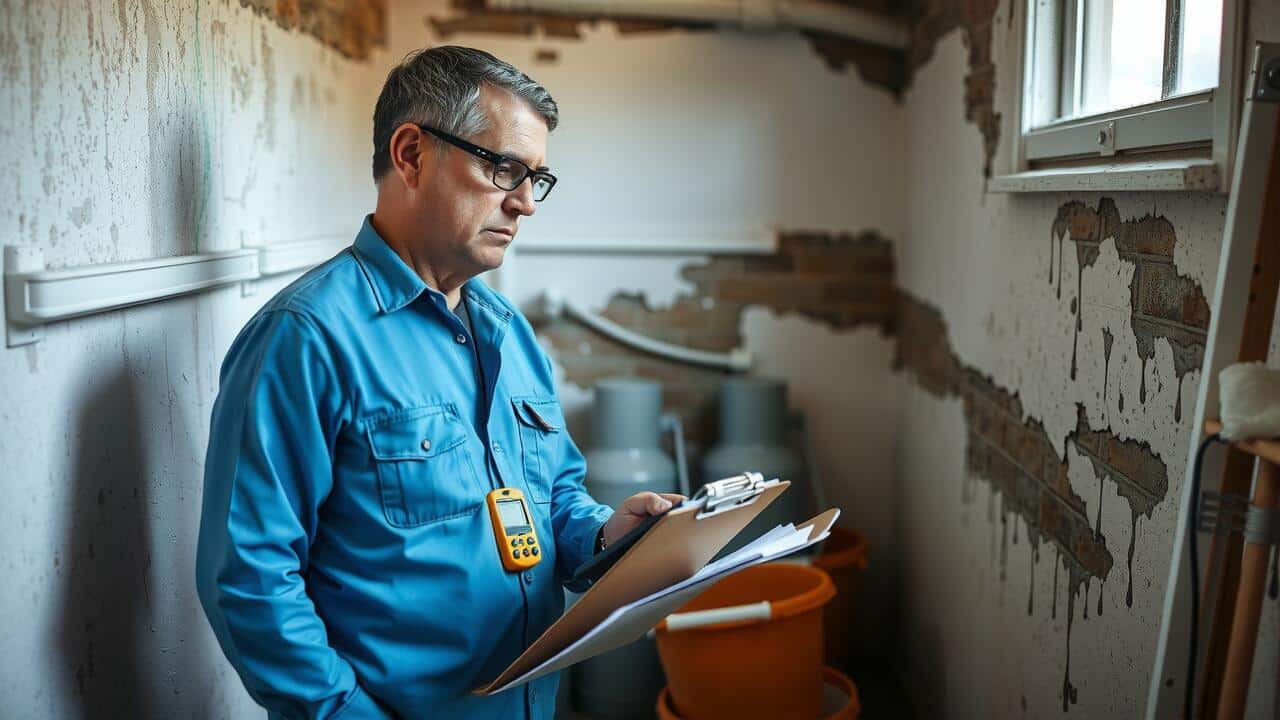
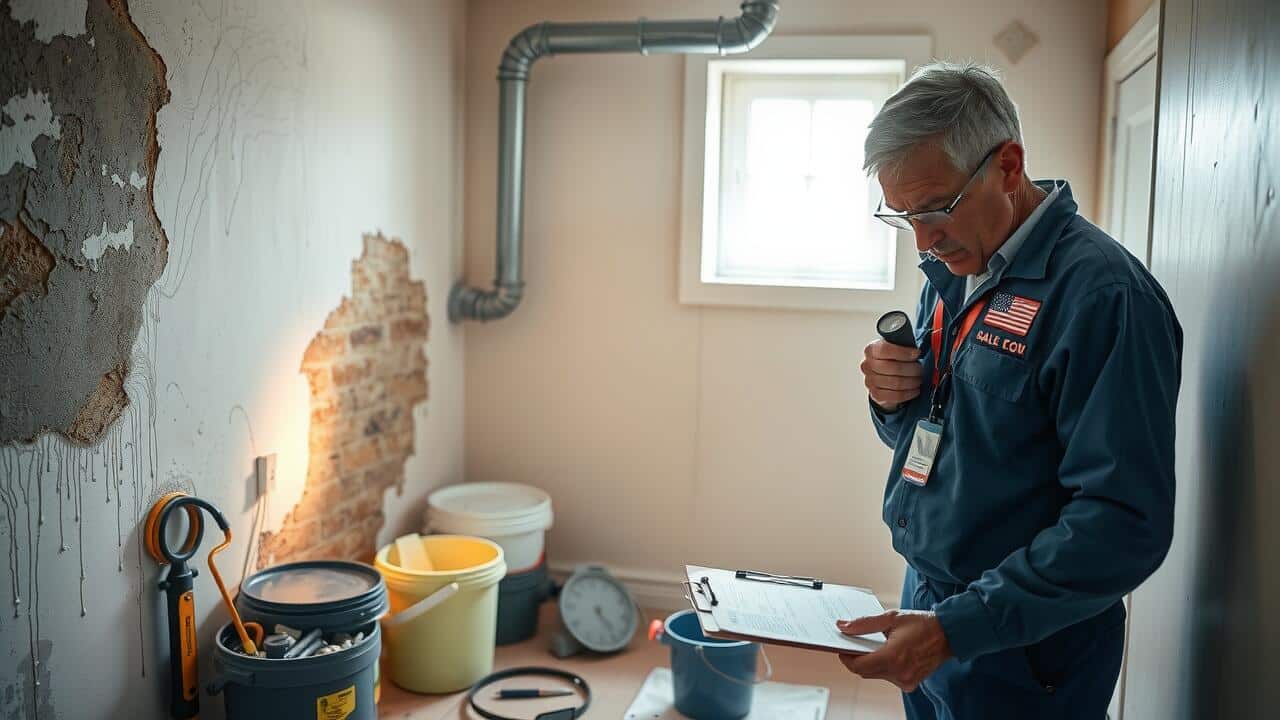
Inspectors typically begin Water Damage Inspection in basements and crawlspaces by closely examining the areas for signs of moisture accumulation. They usually look for visible water stains, peeling paint, or surface discoloration on walls and floors. Inspectors also pay attention to any musty odors, which can indicate hidden mold growth. The presence of bulging walls or warped floorboards may also signal ongoing water intrusion. Through these observations, inspectors gather critical information regarding the extent of water damage.
In addition to visual checks, inspectors often utilize moisture meters to assess the levels of dampness in materials. These devices can detect moisture content within walls, floors, and beams, helping to identify potential problem areas that are not immediately visible. The temperature and humidity levels in the space are also monitored, as elevated readings can contribute to mold development and structural issues over time. Such thorough evaluations are essential for determining whether remedial actions are necessary to repair and mitigate any water-related issues.
Looking for Water Accumulation and Mold
Inspectors look for signs of water accumulation during a water damage inspection. They focus on areas where moisture can collect, such as corners, around windows, and beneath sinks. Visible water stains on walls and ceilings can indicate previous or ongoing leaks. Inspectors often check for wet spots on floors and ceilings, which may signify underlying problems that require further investigation.
Mold is another key factor that inspectors assess during a water damage inspection. They search for mold growth on surfaces, as it can thrive in damp conditions. Dark patches, a musty odor, and peeling paint are common indicators of mold presence. Inspectors may also look closely at ventilation systems where mold spores could circulate, posing health risks to occupants. Both water accumulation and mold are critical components that help determine the severity of water damage in a property.
Evaluating Exterior Drainage
Evaluating exterior drainage is a critical aspect of water damage inspection. Inspectors assess the grading of the land around a building to ensure that it slopes away from the foundation. Proper grading minimizes the risk of water pooling near the base of the structure, which can lead to significant moisture issues. Inspectors also check for any disruptions in the soil that might cause water to flow toward the home instead of away from it.
Inspectors examine gutters and downspouts to ensure they are functioning properly. Clogged gutters can overflow, directing water directly to the foundation. Downspouts should extend far enough from the building to prevent runoff from splashing back against the walls. Maintaining clear drainage systems is essential in preventing water damage and promoting the longevity of the property.
Analyzing Gutters, Downspouts, and Grading
Gutters and downspouts play a crucial role in directing rainwater away from the foundation of a home. Properly functioning systems prevent excessive accumulation of water around the base, a common contributor to water damage. Inspectors evaluate the condition of these components, checking for blockages or damage that might impede water flow. They also assess whether the downspouts discharge water at a safe distance from the foundation, as inadequate drainage can lead to long-term structural issues.
Grading around a property is another key factor during a water damage inspection. The land should slope away from the house to facilitate effective drainage. Inspectors look for areas where the grading may be flat or sloped towards the home, indicating potential water pooling. Analyzing these aspects helps identify risk areas before they develop into significant water-related problems impacting the interior of the property.
Air Quality Testing
Air quality testing plays a vital role in water damage inspection by assessing the indoor environment for hazardous conditions. Professionals often use specialized equipment to measure humidity levels, which can indicate the potential for mold growth and other moisture-related issues. Elevated humidity levels may not only affect physical structures but can also lead to health problems for occupants.
In addition to humidity measurements, inspectors analyze air samples to detect the presence of mold spores. The detection of these spores indicates past or present water damage, prompting further investigation. Identifying air quality issues during water damage inspection helps ensure a safe living environment and guides necessary remediation efforts.
Measuring Humidity Levels and Mold Spores
Inspectors measure indoor humidity levels as part of a thorough water damage inspection. Elevated humidity can lead to mold growth, which poses health risks and damages building materials. Using hygrometers, inspectors can precisely gauge humidity levels and identify areas that may need remediation or further investigation. They look for readings above the recommended levels of 30 to 50 percent, which can trigger fungal growth in susceptible environments.
Mold spores are another critical factor in the water damage inspection process. Inspectors often collect air samples to assess the presence of mold spores and their concentrations. Analyzing these samples helps determine contamination levels and the types of mold present. Different molds may require different remediation approaches, making this analysis vital for planning effective remediation strategies and ensuring occupant safety.
FAQS
What are the common signs of water damage that inspectors look for?
Inspectors typically look for signs such as water stains, discoloration on walls and ceilings, mold growth, peeling paint, warped flooring, and musty odors.
How do inspectors assess water accumulation in basements and crawlspaces?
Inspectors check for visible water pooling, dampness, and any signs of mold or mildew. They may also use moisture meters to measure the humidity levels in these areas.
Why is exterior drainage evaluation important in water damage inspections?
Proper exterior drainage helps prevent water from pooling around the foundation, which can lead to water intrusion. Inspectors evaluate gutters, downspouts, and the grading of the landscape to ensure water is directed away from the home.
What role does air quality testing play in identifying water damage?
Air quality testing involves measuring humidity levels and mold spores in the air, which can indicate hidden water damage or moisture issues within the home.
Can water damage be hidden from plain sight?
Yes, water damage can often be hidden behind walls, under flooring, or in other inaccessible areas, which is why thorough inspections are crucial to identify potential issues.