Energy Efficiency Advantages
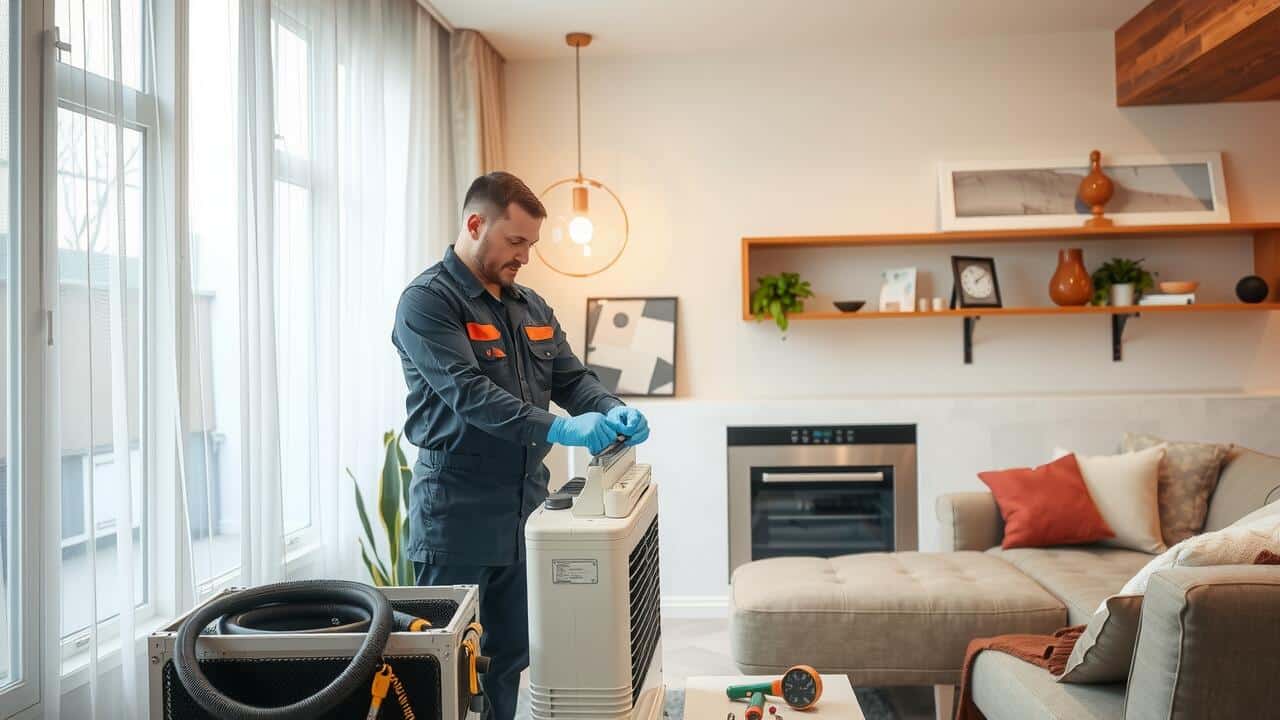
Dehumidification plays a vital role in maintaining an energy-efficient home. By reducing excess moisture in the air, a dehumidifier helps to create an environment where your HVAC system does not have to work as hard. This efficiency can lead to improved temperature regulation and overall comfort, particularly in humid climates or during hot months when high humidity levels can cause discomfort.
In addition to providing a more pleasant living space, efficient dehumidification can directly impact energy bills. With reduced humidity, air feels cooler at higher temperatures, allowing you to set your thermostat a few degrees higher without sacrificing comfort. This small adjustment can lead to significant energy savings over time, making dehumidifiers not just a solution for moisture control but also a practical investment in energy efficiency.
Lower Energy Bills
Lowering energy bills is a primary benefit of effective dehumidification. Excess humidity in the air makes HVAC systems work harder to maintain a comfortable temperature. By reducing moisture levels, a dehumidifier helps the air feel cooler during warmer months. This alleviates the workload on air conditioning units and allows them to operate more efficiently. As a result, homeowners can expect a decrease in energy consumption and costs.
In addition to enhancing overall comfort, dehumidification can lead to longer appliance lifespans. When HVAC systems are overworked due to high humidity, wear and tear increase, which can lead to more frequent repairs or replacements. Implementing a dehumidifier serves as a proactive measure, preserving both system integrity and homeowners’ finances. This creates a win-win scenario where comfort and savings go hand in hand.
Dehumidifiers vs. Humidifiers
Dehumidifiers and humidifiers serve opposite purposes in indoor climate control. Dehumidifiers focus on reducing moisture levels in the air, making spaces more comfortable and decreasing the likelihood of mold growth. This process, known as dehumidification, is especially beneficial in areas prone to high humidity or dampness. On the other hand, humidifiers add moisture to the air, which can alleviate dry skin and respiratory issues during winter or in arid climates.
Understanding humidity balance is essential for maintaining a healthy indoor environment. Excessive moisture can lead to mold and mildew, while too little moisture can cause dryness and discomfort. Choosing between a dehumidifier and a humidifier depends on the specific environmental conditions of your room. Knowing when to employ dehumidification versus humidification can greatly enhance your comfort and overall indoor air quality.
Understanding Humidity Balance
Humidity plays a crucial role in maintaining comfort and health within indoor spaces. High humidity levels can lead to mold growth, dust mites, and an overall uncomfortable environment. By monitoring and adjusting humidity, occupants can create a healthier atmosphere. Dehumidification processes remove excess moisture from the air, helping to balance humidity levels and enhance indoor air quality.
Finding the right balance between humidity and dryness is essential for both wellbeing and comfort. Too much dehumidification can lead to excessively dry air, causing skin irritations and respiratory issues. Maintaining an optimal humidity range of 30% to 50% can provide a comfortable living space. It is important to regularly check humidity levels, especially in areas prone to moisture, to ensure effective dehumidification.
Choosing the Right Dehumidifier
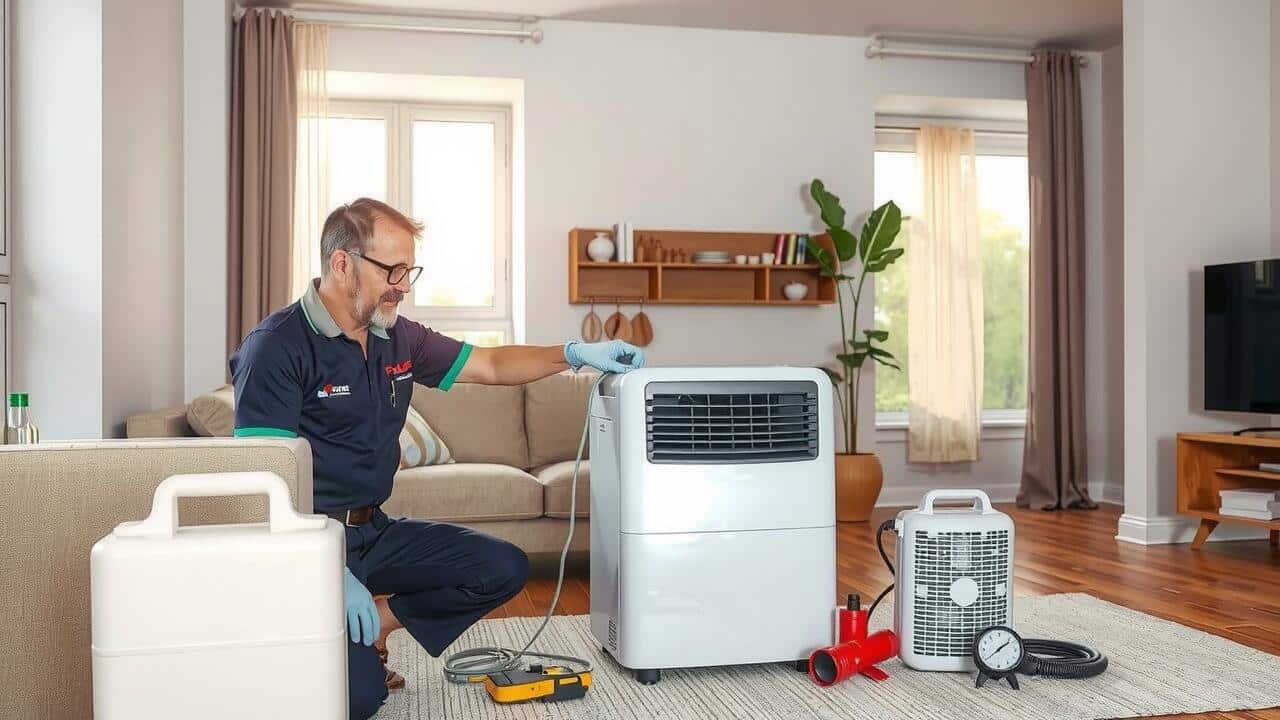
When selecting a dehumidifier, consider the size of the space you need to dehumidify. The capacity of dehumidifiers is measured in pints of moisture removed per day. For smaller rooms, such as bathrooms or laundry rooms, a unit that removes 30 to 50 pints may suffice. Larger areas, like basements or living rooms, may require units capable of removing 70 pints or more. It’s essential to choose a model that matches the specific humidity level and size of the room to ensure effective dehumidification.
Look for features that cater to your specific needs. Some dehumidifiers come with built-in humidistats that measure humidity levels and automatically adjust operation. Others have continuous drainage options, which can simplify maintenance by eliminating the need to empty a reservoir regularly. Energy Star-rated models are also a smart choice, as they consume less electricity while still providing efficient dehumidification. Assessing these features can help you find a unit that fits seamlessly into your lifestyle.
Key Features to Consider
When selecting a dehumidifier, it’s essential to consider the capacity, which is often measured in pints per day. For smaller spaces, a unit with a lower capacity may suffice, while larger areas or exceptionally humid environments require a more powerful option. Additionally, look for energy efficiency ratings; models that consume less electricity can significantly reduce your energy bills while maintaining effective dehumidification.
Another vital feature is the humidistat, which allows the unit to measure humidity levels and operate only as needed. This automation can enhance energy savings and optimize performance. Other factors, such as noise levels and the ease of maintenance, can also influence your choice. A dehumidifier with a built-in pump may simplify drainage, making it easier to maintain consistent humidity without frequent manual intervention.
FAQS
What are the benefits of dehumidifying my room?
Dehumidifying your room can help reduce humidity levels, which can prevent mold growth, alleviate allergies, and create a more comfortable living environment. It can also improve energy efficiency, leading to lower energy bills.
How does dehumidifying affect energy bills?
By reducing excess moisture in the air, dehumidifiers can alleviate the burden on your air conditioning system. This can lead to lower energy consumption and, consequently, reduced energy bills.
What’s the difference between a dehumidifier and a humidifier?
A dehumidifier removes excess moisture from the air, while a humidifier adds moisture. Both devices play a role in maintaining indoor humidity levels, but they serve opposite functions.
How do I know if I need to dehumidify my room?
Signs that you may need to dehumidify include persistent dampness, a musty smell, frequent condensation on windows, or visible mold growth. A hygrometer can also measure indoor humidity levels; ideally, they should be between 30-50%.
What features should I look for when choosing a dehumidifier?
Key features to consider include the dehumidifier’s capacity (measured in pints per day), energy efficiency ratings, ease of maintenance, built-in humidistats, and additional features like automatic shut-off and continuous drainage options.